
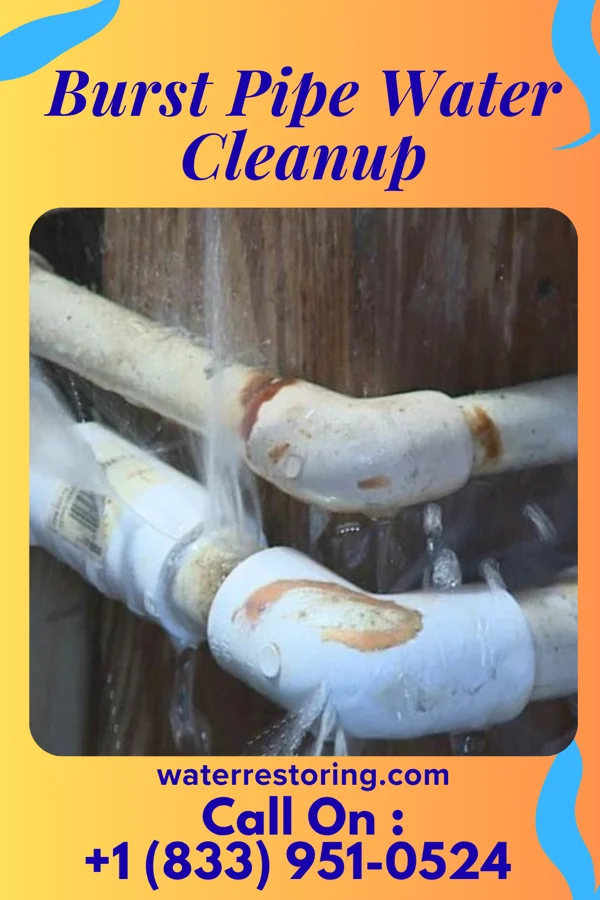
Why Burst Pipes Hit O'Fallon Hard
The pattern in O'Fallon is consistent. O'Fallon, Missouri experiences frequent fluctuations in temperature and humidity, which can cause pipes to expand and contract, increasing the risk of bursts. The city's aging infrastructure, particularly in older neighborhoods, contributes to a higher likelihood of pipe failures during extreme weather events. drives most of the emergency restoration calls we get. A close second is The proximity to Lake St. Louis and the surrounding waterways can lead to increased moisture in the air, which may cause condensation and corrosion in underground pipes. Additionally, the city's urban development has led to increased pressure on water systems, raising the risk of pipe bursts in residential and commercial areas..
O'Fallon's climate, characterized by cold winters and hot summers, creates conditions that are conducive to pipe bursts. The city's location in Saint Charles County, with its mix of urban and suburban areas, means that both residential and commercial properties are at risk due to climate variability and aging infrastructure.
O'Fallon's climate, characterized by cold winters and hot summers, creates conditions that are conducive to pipe bursts. The city's location in Saint Charles County, with its mix of urban and suburban areas, means that both residential and commercial properties are at risk due to climate variability and aging infrastructure. The dominant local driver is O'Fallon, Missouri experiences frequent fluctuations in temperature and humidity, which can cause pipes to expand and contract, increasing the risk of bursts. The city's aging infrastructure, particularly in older neighborhoods, contributes to a higher likelihood of pipe failures during extreme weather events., with The proximity to Lake St. Louis and the surrounding waterways can lead to increased moisture in the air, which may cause condensation and corrosion in underground pipes. Additionally, the city's urban development has led to increased pressure on water systems, raising the risk of pipe bursts in residential and commercial areas. showing up as the next most common cause. Damage builds in stages. Spread. Absorption. Microbial growth. Structural compromise. Every stage you pass through adds to the final bill.